
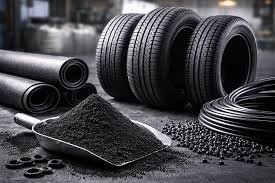

The tyre recycling industry is rapidly evolving as sustainability becomes a central focus for manufacturers and material suppliers. Efficient recovery and reuse of rubber materials are now essential for reducing environmental impact and supporting circular economy practices. One important market indicator in this space is the price of shredded tyres price per ton, which reflects both supply-and-demand dynamics and the value of recovered rubber materials in industrial applications.
The integration of sustainable materials into tyre recycling processes is helping industries transform waste into valuable raw materials. This shift is improving resource efficiency while supporting long-term environmental goals across automotive, construction, and manufacturing sectors.
Sustainable Material Recovery in Tyre Recycling
Sustainable material recovery plays a crucial role in transforming end-of-life tyres into reusable resources. Advanced recycling systems break down used tyres into smaller components that can be processed into rubber granules, steel, and textile fibers. These recovered materials are then reused in various industrial applications, reducing dependence on virgin raw materials and supporting environmental conservation efforts.
Efficient Rubber Recovery Systems
Modern recycling facilities use advanced shredding and separation technologies to extract usable rubber from waste tyres. This process ensures that recovered rubber maintains quality suitable for industrial reuse. Efficient recovery systems help maximize material output while reducing overall waste generation.
Improved Resource Utilization
Recovered tyre materials are increasingly used in construction, road surfacing, and industrial manufacturing. This helps industries reduce reliance on new raw materials while promoting sustainable production practices. Better utilization of recovered resources also improves the overall efficiency of recycling operations.
Market-Driven Material Value
The value of recycled rubber is influenced by demand in industrial sectors and supply chain availability. Factors such as the price of shredded tires per ton help determine market stability and guide recycling investments. These pricing signals support more efficient decision-making across the supply chain.
Economic Factors in Tyre Recycling Industry
The economic structure of tire recycling is shaped by operational costs, material demand, and processing efficiency. Recycling facilities must balance production costs with market demand for recovered rubber materials. This balance is essential for maintaining profitability and encouraging long-term investment in sustainable recycling infrastructure.
Operational Cost Management
Tyre recycling involves costs related to collection, transportation, shredding, and processing. Efficient cost management ensures that recycling operations remain economically viable. Reducing processing inefficiencies also improves overall profitability in the industry.
Market Pricing Trends
Market dynamics in the recycling sector are closely tied to demand for processed rubber materials and overall industry supply conditions. The recycling industry is influenced by fluctuations in tyre recycling prices, which vary based on demand for recycled rubber products.
Supply Chain Efficiency
A well-structured supply chain ensures the smooth movement of waste tires from collection points to recycling facilities. Improved logistics reduce delays and lower transportation costs, enhancing overall operational efficiency in the recycling process.
Industrial Applications of Recycled Tyre Materials
Recycled tyre materials are widely used across industries due to their durability, flexibility, and cost-effectiveness. These materials provide sustainable alternatives to virgin rubber and are increasingly integrated into manufacturing processes across multiple sectors. Their versatility makes them valuable in both heavy-duty and commercial applications.
Construction and Infrastructure Use
Recycled rubber is commonly used in road construction, flooring systems, and insulation materials. These applications benefit from the material’s durability and resistance to wear. Sustainable use in infrastructure projects also reduces environmental impact.
Automotive and Manufacturing Applications
Reclaimed rubber is used in non-critical automotive components such as mats, seals, and vibration dampers. Its flexibility and strength make it suitable for various industrial manufacturing processes. This reduces dependence on newly produced rubber materials.
Energy and Industrial Products
Recycled tyre materials are also used in energy recovery systems and industrial products such as conveyor belts and protective coverings. These applications help industries improve sustainability while maintaining product performance.
Environmental Benefits of Tyre Recycling
Tyre recycling plays a significant role in reducing environmental pollution and promoting sustainable resource management. By converting waste tyres into usable materials, the industry helps reduce landfill accumulation and minimizes environmental hazards associated with tyre disposal.
Reduction in Landfill Waste
Recycling tires significantly reduces the volume of waste sent to landfills. This helps conserve land resources and prevents long-term environmental contamination caused by non-biodegradable materials.
Lower Carbon Emissions
Using recycled rubber reduces the need for energy-intensive production of virgin materials. This leads to lower carbon emissions and supports global sustainability goals in industrial manufacturing.
Support for Circular Economy
Tire recycling contributes to a circular economy model where materials are reused and repurposed continuously. This reduces resource depletion and promotes long-term environmental balance.
Role of Technology in Advancing Tyre Recycling Systems
Technological innovation is transforming tyre recycling by improving efficiency, output quality, and material recovery rates. Advanced machinery and processing systems allow recyclers to extract higher-value materials from waste tyres while minimizing energy consumption and operational costs. This strengthens the overall sustainability of the industry.
Advanced Shredding Technologies
Modern shredding systems improve the precision and efficiency of tyre breakdown processes. This results in better separation of rubber, steel, and fiber components for reuse in different applications.
Automation in Recycling Plants
Automation technologies enhance operational consistency and reduce manual intervention in recycling processes. This improves productivity and ensures uniform quality of recycled materials.
Improved Material Purification Methods
New purification techniques help remove impurities from recycled rubber, increasing its quality and usability. This expands its applications across more demanding industrial sectors.
Conclusion
The tire recycling industry is becoming a key driver of sustainable material innovation, transforming waste into valuable industrial resources. By improving recovery processes and integrating advanced technologies, the industry supports both environmental protection and economic efficiency. Market factors such as shredded-tire prices per ton and tire recycling prices continue to influence industry growth and investment decisions.
Within this evolving sustainability landscape, companies focused on carbon material innovation play an important role in strengthening recycling ecosystems. Among them, Birla Carbon contributes significantly through its advanced Birla Carbon products, which support material performance and sustainability across industrial applications. Their continued focus on innovation helps strengthen the connection between recycling efficiency and high-performance material development, supporting a more sustainable future for global industries.
