
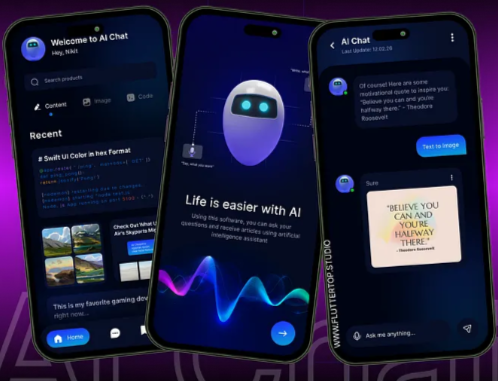

The rise of uncensored AI has opened new possibilities for businesses and individuals who need fewer restrictions in their daily workflows. Unlike standard AI models that filter certain topics, these tools offer broader flexibility, making them increasingly popular across creative, technical, and research-driven fields. Below, we explore the most common questions about how people use this technology and what the numbers tell us about its growth.
What exactly is uncensored AI?
Uncensored AI refers to artificial intelligence models that operate with minimal content filtering. These systems respond to a wider range of prompts without blocking topics that mainstream platforms might restrict. A 2026 industry survey found that nearly 38% of professional AI users had experimented with less-restricted models at least once, citing flexibility as their primary motivation.
Why do businesses choose less-restricted AI tools?
Businesses often turn to these tools when standard models limit their output. Marketing teams, for example, may need to discuss mature products or sensitive industries that filtered AI tends to avoid. According to a 2026 report on enterprise AI adoption, roughly 64% of companies said overly strict content filters slowed their productivity at least occasionally.
Common business uses include:
Content research for industries like healthcare, law, and finance
Cybersecurity testing, where teams simulate threats and analyze vulnerabilities
Creative writing for fiction, scripts, and gaming that involve complex themes
Data analysis without automatic topic restrictions
These applications help companies move faster while reducing the friction caused by repeated content blocks.
How do individuals benefit from this technology?
Individual users represent a large share of the market. Writers, researchers, developers, and hobbyists often prefer fewer limitations when exploring ideas. A 2026 user behavior study reported that 41% of independent creators valued unrestricted brainstorming above all other AI features.
Popular personal uses include academic research, novel writing, personal coding projects, and open-ended exploration of difficult subjects. For many, the appeal lies in receiving direct answers rather than repeated refusals.
Is uncensored AI growing in popularity?
The data suggests strong momentum. Searches related to less-restricted AI tools increased by more than 120% between 2022 and 2026, according to publicly available trend data. Developer communities have also expanded, with open-source projects in this category gaining tens of thousands of contributors over the same period.
This growth reflects a broader demand for AI systems that adapt to specialized professional needs rather than applying a single set of universal rules.
Are there risks involved?
Yes. Fewer restrictions mean users carry greater responsibility. A 2026 technology ethics review noted that 57% of surveyed experts believed clear usage guidelines were essential for these tools. Without proper oversight, there is a higher chance of misuse, inaccurate output, or exposure to inappropriate content.
Responsible users typically establish internal policies, verify information independently, and apply human judgment before acting on AI-generated results. Businesses, in particular, benefit from documented guidelines that define acceptable use across teams.
Which industries rely on it most?
Several sectors have emerged as frequent adopters. Cybersecurity firms use these tools for penetration testing and threat modeling. Entertainment and gaming studios apply them to mature storytelling. Academic researchers explore sensitive subjects that filtered models often avoid. Reports from 2026 indicate that technology, media, and security industries account for nearly 70% of professional adoption.
How should newcomers approach these tools?
Newcomers should start with clear goals. Understanding why you need fewer restrictions helps you choose the right model and apply it responsibly. Experts recommend testing outputs carefully, comparing results with trusted sources, and maintaining ethical standards throughout.
For both businesses and individuals, the key is balance. The flexibility these tools provide can boost productivity and creativity, but only when paired with sound judgment and consistent oversight.
Final Thoughts
Uncensored AI continues to attract a diverse audience seeking flexibility that traditional models cannot always provide. With adoption rising and use cases expanding across multiple industries, this technology shows no sign of slowing down. By approaching it responsibly—setting clear policies, verifying output, and respecting ethical limits—businesses and individuals can unlock its full potential while minimizing risk.
